


Loading...

How AI and Automation Can Reduce Operational Costs for Businesses

How AI and Automation Can Reduce Operational Costs for Businesses

Karan Kumar

30/12/2025

At Speqto, we work with organizations that are constantly evolving expanding into new markets, scaling operations, or optimizing existing processes to stay competitive. In 2025, businesses that effectively leverage AI and automation gain a significant advantage in controlling and reducing operational costs.

Today’s business environment is fast-paced and resource-intensive. Rising labor costs, operational inefficiencies, and increasing customer expectations put constant pressure on margins. While leaders understand the need to do more with less, many struggle to identify where and how AI and automation can deliver real, measurable cost savings.

From our experience, operational efficiency improves dramatically when AI and automation are implemented with a clear business purpose not as standalone tools, but as strategic enablers of smarter, leaner operations.

Why AI and Automation Matter for Cost Reduction

In 2025, organizations face growing pressure to improve efficiency without compromising quality or customer experience. Business leaders focus on reducing overheads, minimizing errors, improving turnaround times, and maximizing workforce productivity. The challenge lies in applying AI and automation in the right areas.

Without a clear strategy, companies risk automating the wrong processes, investing in tools that don’t integrate well, or deploying AI without measurable ROI. When implemented thoughtfully, AI and automation eliminate bottlenecks, reduce repetitive work, and allow teams to focus on higher-value activities directly impacting operational costs.

This shift transforms AI from a nice-to-have innovation into a core cost-optimization strategy.

3 Key Ways AI and Automation Reduce Operational Costs
1. Automating Repetitive and Manual Processes

Many businesses still rely on manual workflows such as data entry, report generation, approvals, customer queries, and internal coordination. These tasks consume time, increase error rates, and demand significant human effort.

AI-powered automation helps by:

  • Automating routine data processing and reporting
  • Streamlining approval workflows
  • Handling repetitive customer interactions through chatbots
  • Reducing dependency on manual supervision

At Speqto, we help businesses identify high-volume, low-value tasks and automate them using AI-driven workflows and intelligent systems. This results in lower staffing costs, faster execution, and improved accuracy across operations.

2. Improving Decision-Making With Data-Driven Insights

Operational inefficiencies often stem from delayed or inaccurate decisions. AI systems analyze large volumes of data in real time, uncovering patterns and inefficiencies that may go unnoticed by human teams.

With AI-enabled analytics, businesses can:

  • Predict demand and optimize inventory
  • Identify cost leakages in operations
  • Improve resource allocation
  • Reduce downtime through predictive maintenance

By making faster and smarter decisions, organizations reduce waste, avoid unnecessary expenses, and gain tighter control over operational costs.

3. Optimizing Workforce Productivity

AI and automation are not about replacing people they are about enabling teams to work smarter. By reducing time spent on repetitive tasks, employees can focus on strategic, creative, and revenue-generating activities.

Automation supports workforce efficiency by:

  • Reducing burnout from manual work
  • Allowing teams to handle higher workloads without additional hiring
  • Improving consistency and quality of output
  • Supporting remote and scalable operations

At Speqto, we design automation solutions that complement human workflows, helping businesses get maximum value from their existing teams while keeping operational costs under control.

How We Help Businesses Implement Cost-Effective AI Solutions

We believe AI and automation should be practical, measurable, and aligned with business goals not overengineered or complex.

Our approach includes:

  • Process analysis to identify automation opportunities
  • AI solution design aligned with ROI goals
  • Seamless integration with existing systems
  • Scalable architectures for future growth
  • Ongoing optimization and support

By focusing on business outcomes rather than technology alone, we ensure AI investments deliver real cost savings and long-term efficiency.

Conclusion

In 2025, reducing operational costs is no longer about cutting corners—it’s about working intelligently. AI and automation empower businesses to streamline processes, improve decision-making, and maximize productivity without sacrificing quality or growth.

At Speqto, we help organizations adopt AI and automation as strategic tools for sustainable efficiency. When implemented with clarity and purpose, these technologies don’t just reduce costs—they build resilient, future-ready operations. The future of efficient business operations lies in intelligent automation, and together, we’re ready to help businesses unlock that potential.

RECENT POSTS

How Staff Augmentation Solves the Tech Talent Shortage for BFSI and Fintech Enterprises

Last quarter, a mid-sized NBFC we work with needed four senior Java developers to migrate their loan management system before RBI’s new compliance deadline. Their HR team had been running the hiring process for eleven weeks. Three offers were made. Two candidates ghosted after accepting, one joined a competitor for a better package mid-negotiation. The […]

Common Mistakes Companies Make When Outsourcing Software Development (And How BFSI Firms Can Avoid Them)

At Speqto Technologies, we’ve spent the better part of a decade building software for banks, NBFCs, insurance companies, and fintech startups. Over that time, we’ve seen the same outsourcing mistakes repeat themselves across companies that otherwise have sharp business instincts. Financial services leaders know how to evaluate risk in lending books or investment portfolios, but […]

Why API-First Architecture Matters for BFSI Digital Products

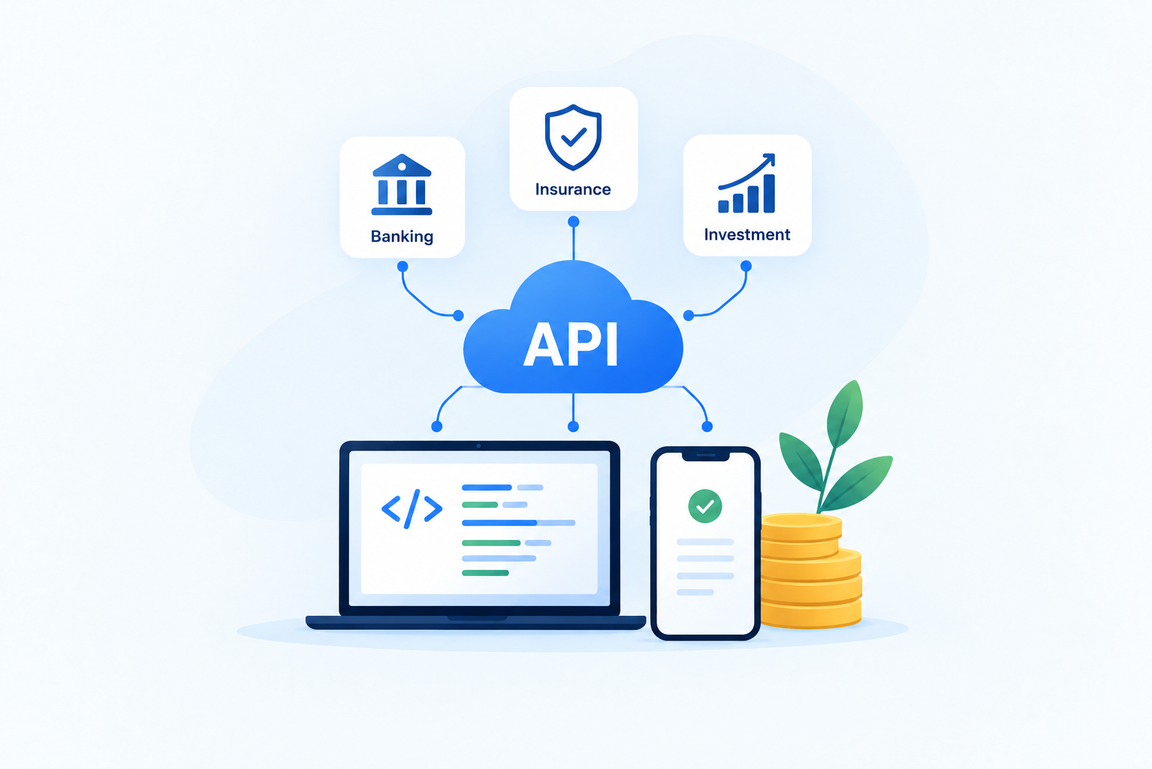
A few months back, we sat in a review call with an NBFC client whose loan origination system had grown into a genuine mess. Every time they wanted to launch a new lending product or plug in a fresh credit bureau, their engineering team had to rebuild integration logic from scratch. Six weeks of “simple […]

How Custom Workflow Automation Cuts Operational Risk in BFSI — Lessons From the Field

Ask any operations head at a bank, NBFC, or fintech where their biggest risk actually lives, and rarely will the answer be “cybersecurity” or “market risk.” More often, it’s something far less glamorous — a reconciliation sheet that someone forgot to update, an approval that sat in an inbox for four days, or a compliance […]

How Fintech Startups Can Build Secure, Scalable Platforms Fast

Every fintech founder we’ve worked with at Speqto Technologies has faced the same dilemma at some point: ship fast to grab market share, or slow down and build things properly. The good news is that this isn’t actually an either-or choice. We’ve helped payment platforms, NBFCs, and digital lending startups launch in months, not years, […]

POPULAR TAG

POPULAR CATEGORIES