
Loading...

Getting Started with ERC-20 – A Step-by-Step Guide to Creating Your Own Token

Getting Started with ERC-20 – A Step-by-Step Guide to Creating Your Own Token

Afzal Khan

19 August, 2025

Ethereum Logo


ERC-20 tokens are the backbone of decentralized finance (DeFi), powering everything from stablecoins to governance tokens. In this guide, you’ll learn how to create your very own ERC-20 token using Solidity and deploy it on the Ethereum blockchain.

Why Create an ERC-20 Token?

ERC-20 tokens are standardized, meaning they follow the same rules across the Ethereum ecosystem. This makes them compatible with wallets, exchanges, and DeFi protocols. By creating your own token, you gain practical blockchain development experience while laying the foundation for projects like DeFi platforms, DAOs, or NFT marketplaces.

Step-by-Step Guide to Creating Your Own ERC-20 Token

1. Set Up the Project

Create a new project and install Hardhat along with OpenZeppelin contracts:

mkdir my-token
cd my-token
npm init -y
npm install --save-dev hardhat @openzeppelin/contracts

Initialize Hardhat:

npx hardhat

Choose “Create a basic sample project”.

2. Write the ERC-20 Contract

Inside the contracts folder, create MyToken.sol:

// SPDX-License-Identifier: MIT
pragma solidity ^0.8.0;

import "@openzeppelin/contracts/token/ERC20/ERC20.sol";

contract MyToken is ERC20 {
    constructor(uint256 initialSupply) ERC20("MyToken", "MTK") {
        _mint(msg.sender, initialSupply * 10 ** decimals());
    }
}

This contract mints an initial supply of tokens and assigns them to the deployer.

3. Compile and Deploy

Compile the contract:

npx hardhat compile

Update scripts/deploy.js:

async function main() {
  const Token = await ethers.getContractFactory("MyToken");
  const token = await Token.deploy(1000000); // 1 million tokens
  await token.deployed();
  console.log("MyToken deployed at:", token.address);
}
 
main().catch((error) => {
  console.error(error);
  process.exitCode = 1;
});

Deploy locally:

npx hardhat run scripts/deploy.js --network localhost

4. Interact With Your Token

Open the Hardhat console:

npx hardhat console --network localhost

Inside the console:

const token = await ethers.getContractAt("MyToken", "DEPLOYED_CONTRACT_ADDRESS");
(await token.name()).toString();       // "MyToken"
(await token.symbol()).toString();     // "MTK"
(await token.totalSupply()).toString();// 1000000 * 10^18

You can also transfer tokens:

await token.transfer("RECIPIENT_ADDRESS", 1000);

How This Helps You

Creating an ERC-20 token is a gateway into the world of DeFi and Web3. With this knowledge, you can launch utility tokens, governance tokens, or stablecoins. You’ve also learned how standardized smart contracts power interoperability in the blockchain ecosystem.

Conclusion

ERC-20 tokens are the building blocks of decentralized applications. With just a few lines of code, you’ve created your own cryptocurrency that can integrate with wallets, exchanges, and dApps. This is the first step toward building real-world blockchain projects. The next step? Expanding into DeFi, NFTs, and cross-chain applications.

RECENT POSTS

The Real Cost of Delaying Digital Transformation: What Mid-Size BFSI Firms Are Losing Every Quarter

Every mid-size NBFC, cooperative bank, or insurance broker we’ve worked with at Speqto Technologies has, at some point, said some version of the same thing: “We’ll get to the digital overhaul next year, once things settle down.” The problem is, things never settle down. And the invoice for waiting keeps growing quietly in the background […]
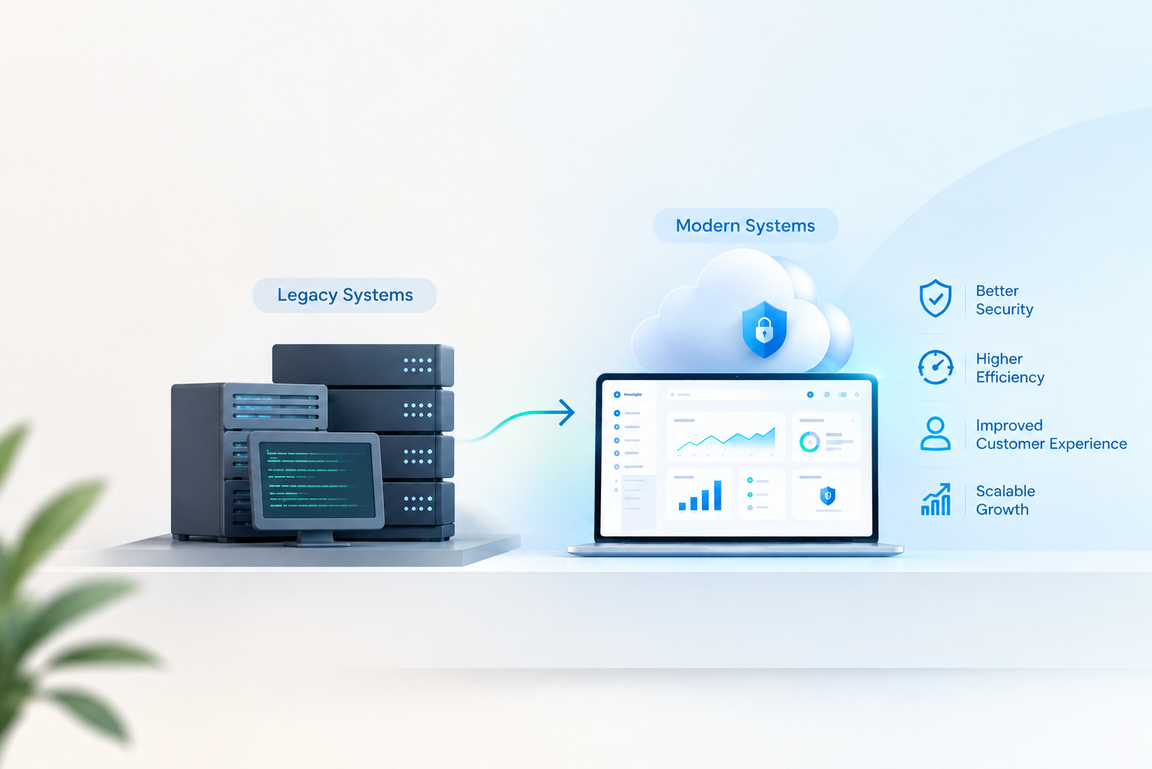

How BFSI Companies Can Modernize Legacy Systems Without Disrupting Operations

Every BFSI leader we talk to at Speqto Technologies says some version of the same thing: “Our core system works, but it’s holding us back.” Then in the next breath: “But we can’t afford even four hours of downtime.” That tension between needing to modernize and being terrified of breaking something that processes millions of […]

7 Signs Your BFSI Business Needs a Digital Transformation Partner (Not Just Another IT Vendor)

Every BFSI leader we talk to has already “done” digital transformation in some form — a new CRM here, a mobile app there, maybe a chatbot bolted onto the website. Yet the same complaints keep surfacing: loan approvals still take days, reconciliation is manual, and the leadership team is making decisions off a spreadsheet someone […]

Why Custom Software Beats Off-the-Shelf Tools for Growing Businesses

A few months back, a mid-sized NBFC came to us at Speqto with a problem that’s more common than most people admit out loud: they had outgrown their loan management software, but nobody wanted to say it directly. Instead, the conversation was framed as “we need better reporting” or “the CRM feels slow.” Two calls […]

2027 Tech Trends BFSI and Fintech Companies Need to Start Preparing For Now

Every December, someone publishes a “top trends for next year” list, and most of it reads the same regardless of industry. We’re going to skip that exercise. At Speqto Technologies, we build and maintain systems for banks, NBFCs, insurers, and fintech startups, and what we’re seeing on the ground looks quite different from the generic […]

POPULAR TAG

POPULAR CATEGORIES