Getting Started with Ethereum Name Service (ENS) – The Future of Web3 Identity
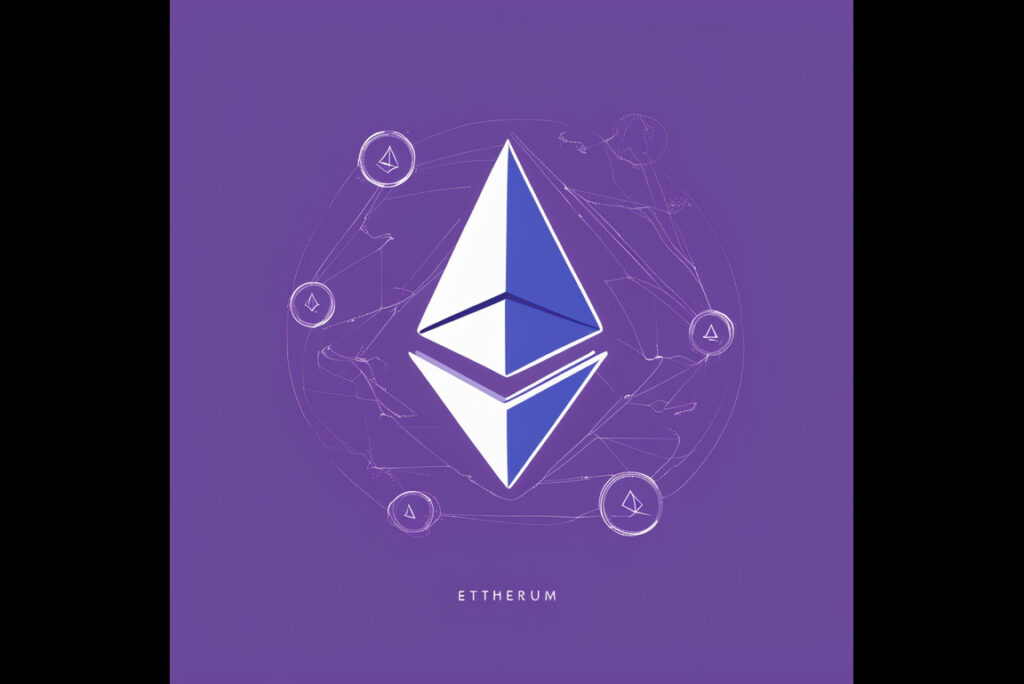
In today’s decentralized world, managing wallet addresses and interacting with blockchain applications can often feel intimidating. Wallet addresses are long, random-looking strings of letters and numbers that are easy to mistype and hard to remember. This is where the **Ethereum Name Service (ENS)** comes in. ENS brings simplicity to Web3 by offering **human-readable names** like yourname.eth instead of long hexadecimal addresses. Think of ENS as the “Domain Name System (DNS)” of the blockchain.
What is Ethereum Name Service (ENS)?
ENS is a decentralized naming system built on the Ethereum blockchain. Instead of typing or copying a wallet address like 0x1234abcd56ef7890..., you can just use a simple name like alice.eth. ENS is built on smart contracts and operates in a decentralized, censorship-resistant way.
In addition to wallet addresses, ENS can also map names to:
- Decentralized websites (hosted on IPFS/Arweave)
- Smart contracts
- Metadata (like profile information, Twitter handle, email)
- Other blockchain addresses (Bitcoin, Litecoin, etc.)
This makes ENS not just a wallet shortcut, but a **universal identity system for Web3**.
Why Do You Need ENS?
ENS makes your blockchain experience easier and safer. Here’s why it’s so powerful:
- Simplifies Transactions: No more copying and pasting long addresses. Just type
username.eth. - Reduces Human Error: Mistyping an address can mean losing funds forever. ENS reduces that risk.
- Cross-Chain Support: ENS supports multiple addresses (Ethereum, Bitcoin, Dogecoin, etc.) under one name.
- Web3 Identity: Your ENS name can represent your personal or brand identity online, like
mycompany.eth. - Decentralized Websites: Host websites on IPFS and connect them to your ENS name for a fully decentralized experience.
Step-by-Step Guide to Registering Your ENS Domain
1. Get Some Ethereum
You’ll need ETH in your wallet to pay for gas fees and the registration cost of your ENS domain. You can buy ETH from exchanges like Coinbase, Binance, or Uniswap.
2. Connect Your Wallet
Go to the official ENS app and connect your wallet (e.g., MetaMask, Coinbase Wallet).
3. Search for a Domain
In the search bar, type the name you want to register (e.g., mydapp.eth). ENS will show if it’s available. If not, you’ll need to try another name or buy it from the current owner on marketplaces like OpenSea.
4. Register Your Domain
Choose how many years you want to register the domain for. The longer you register, the more secure your ownership is. Then, confirm the transaction in your wallet.
5. Set Records
Once registered, you can set ENS records. For example:
- Map
mydapp.ethto your Ethereum wallet address. - Add your Bitcoin address under the same ENS domain.
- Point
mydapp.ethto a decentralized website hosted on IPFS.
Practical Uses of ENS
ENS is more than just an address shortcut. Here are some practical use cases:
- Personal Wallet: Share
john.ethwith friends instead of your full Ethereum address. - Business Brand: Register
company.ethto build brand trust in Web3. - NFT Projects: Projects can register an ENS to build credibility and create easy payment channels.
- Decentralized Websites: Build and host websites on IPFS, then map them to your ENS domain.
- Cross-Chain Identity: Manage multiple crypto addresses under one simple name.
Costs of ENS
The cost of ENS depends on:
- Annual registration fee (starting from $5 per year for 5+ character names).
- Ethereum gas fees (for transactions when registering or updating records).
- Secondary market prices (if you buy a domain from someone else on OpenSea).
Future of ENS
ENS is rapidly becoming the identity layer of Web3. As more wallets, exchanges, and dApps integrate ENS, we will see ENS names replacing traditional wallet addresses everywhere. Just like domain names made the internet more accessible, ENS will make Web3 user-friendly and mainstream.
Conclusion
Ethereum Name Service (ENS) is the foundation of Web3 identity. It makes crypto easier, safer, and more accessible by replacing complicated addresses with human-readable names. Whether you’re an individual, a business, or a developer, registering an ENS domain today can give you a strong identity in the decentralized future.