


Loading...

How Staff Augmentation Solves the Tech Talent Shortage for BFSI and Fintech Enterprises

How Staff Augmentation Solves the Tech Talent Shortage for BFSI and Fintech Enterprises

Last quarter, a mid-sized NBFC we work with needed four senior Java developers to migrate their loan management system before RBI’s new compliance deadline. Their HR team had been running the hiring process for eleven weeks. Three offers were made. Two candidates ghosted after accepting, one joined a competitor for a better package mid-negotiation. The deadline didn’t move. The talent gap did the damage.

This is not an isolated story. It’s the everyday reality for BFSI and fintech companies trying to build tech teams in 2024. And it’s exactly the kind of situation staff augmentation was built to fix.

The Real Problem Isn’t a Talent Shortage, It’s a Speed Problem

Everyone talks about the talent shortage like there are simply no good engineers left in India. That’s not accurate. There are plenty of skilled developers, but the good ones get hired fast, often within 10-15 days of entering the job market. By the time a traditional enterprise hiring pipeline, job posting, screening, three rounds of interviews, HR negotiation, notice period, clears, that candidate is gone.

For BFSI and fintech companies specifically, the problem compounds because you’re not just hiring “a developer.” You need someone who understands PCI-DSS, RBI’s data localization norms, or how to build idempotent payment APIs without breaking reconciliation logic. That’s a narrower pool, and it moves even faster.

What Staff Augmentation Actually Does Differently

Staff augmentation isn’t about renting bodies to sit in your Slack channel. Done right, it’s about plugging pre-vetted, domain-experienced engineers directly into your existing team, under your processes, your sprint cycles, your codebase, without the 8-12 week hiring cycle.

We recently helped a payments aggregator client scale their backend team from 6 to 14 engineers in under three weeks during a merchant onboarding surge ahead of festive season traffic. Full-time hiring for that headcount would have taken them past the traffic spike entirely. The engineers we placed had already worked on UPI settlement flows and NPCI integrations elsewhere, so onboarding time was measured in days, not months.

Where It Specifically Helps BFSI/Fintech Leaders

  • Compliance-heavy projects with hard deadlines: When RBI or SEBI mandates a system change with a fixed compliance date, you can’t afford a six-month hiring cycle. Augmented teams with prior BFSI exposure can start contributing in week one.
  • Legacy modernization without losing institutional knowledge: A private bank client needed to modernize a COBOL-based core banking module while their internal team kept the lights on for daily operations. We brought in two augmented engineers with legacy migration experience who worked alongside their in-house architects, instead of replacing internal knowledge, they extended capacity around it.
  • Fraud detection and ML model deployment: These projects need specialized skills (real-time inference, model monitoring, feature stores) that most enterprise IT teams don’t maintain full-time. Augmenting for a 4-6 month sprint is far more cost-efficient than a permanent hire who becomes underutilized once the model is stable.
  • Scaling and descaling with market cycles: Fintech product launches are lumpy. You need 12 engineers for a launch push and maybe 5 for maintenance afterward. Staff augmentation lets you flex without the layoffs-and-rehire cycle that damages team morale and employer brand.

The Cost Conversation Nobody Likes to Have Honestly

Yes, augmented staff cost more per hour than a full-time employee’s salary on paper. But that comparison ignores recruiter fees, background verification, onboarding time, benefits, attrition risk, and the productivity lag of a new hire’s first 60-90 days. When a fintech client of ours calculated the fully-loaded cost of a bad hire (including six weeks of near-zero output plus rehiring costs), staff augmentation for that same role came out 30% cheaper over a two-quarter window.

The real ROI isn’t just cost, it’s time-to-productivity. An augmented engineer with 4+ years of BFSI-specific experience is writing production code in week one. A fresh hire, however talented, is usually still learning your domain’s regulatory quirks in month two.

What to Watch Out For

Staff augmentation fails when companies treat it as a pure cost-cutting exercise and skip the vetting process. Not every vendor understands the difference between a generic full-stack developer and one who’s actually built reconciliation engines or KYC workflows. Ask for engineers who’ve worked on similar regulatory or domain problems, not just similar tech stacks. A React developer who’s built e-commerce dashboards isn’t automatically ready to build a trading terminal.

Also insist on a short paid trial period, one to two weeks, before committing to a longer engagement. It filters out mismatches before they become expensive.

The Bottom Line

The tech talent shortage in BFSI and fintech isn’t going away. Regulatory complexity keeps increasing, digital transformation timelines keep shrinking, and the specialized skill pool stays thin. Staff augmentation doesn’t solve the shortage by creating more engineers, it solves the speed and specificity problem by getting the right engineers into your team faster than traditional hiring ever could.

At Speqto Technologies, we’ve built our augmentation model specifically around BFSI and fintech domain knowledge, not generic tech staffing. If your next compliance deadline or product launch is closer than your hiring pipeline can handle, that’s usually the sign it’s time to talk.

RECENT POSTS

How Staff Augmentation Solves the Tech Talent Shortage for BFSI and Fintech Enterprises

Last quarter, a mid-sized NBFC we work with needed four senior Java developers to migrate their loan management system before RBI’s new compliance deadline. Their HR team had been running the hiring process for eleven weeks. Three offers were made. Two candidates ghosted after accepting, one joined a competitor for a better package mid-negotiation. The […]

Common Mistakes Companies Make When Outsourcing Software Development (And How BFSI Firms Can Avoid Them)

At Speqto Technologies, we’ve spent the better part of a decade building software for banks, NBFCs, insurance companies, and fintech startups. Over that time, we’ve seen the same outsourcing mistakes repeat themselves across companies that otherwise have sharp business instincts. Financial services leaders know how to evaluate risk in lending books or investment portfolios, but […]

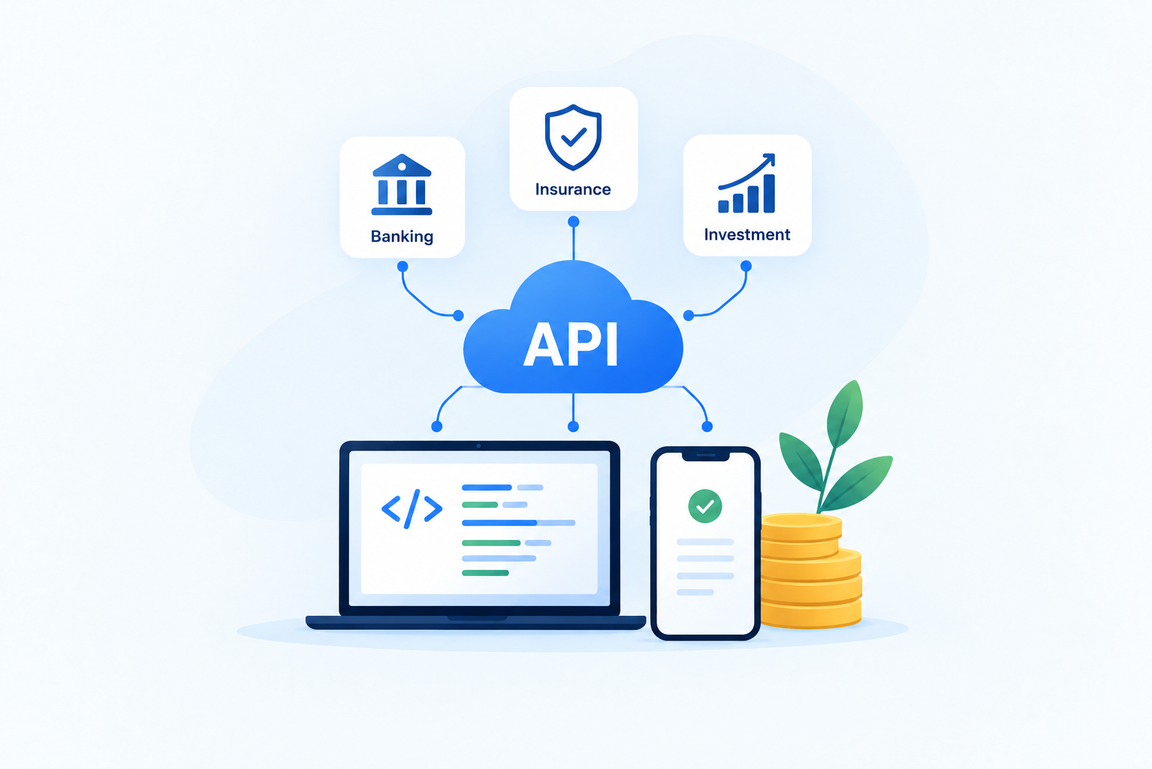
Why API-First Architecture Matters for BFSI Digital Products

A few months back, we sat in a review call with an NBFC client whose loan origination system had grown into a genuine mess. Every time they wanted to launch a new lending product or plug in a fresh credit bureau, their engineering team had to rebuild integration logic from scratch. Six weeks of “simple […]

How Custom Workflow Automation Cuts Operational Risk in BFSI — Lessons From the Field

Ask any operations head at a bank, NBFC, or fintech where their biggest risk actually lives, and rarely will the answer be “cybersecurity” or “market risk.” More often, it’s something far less glamorous — a reconciliation sheet that someone forgot to update, an approval that sat in an inbox for four days, or a compliance […]

How Fintech Startups Can Build Secure, Scalable Platforms Fast

Every fintech founder we’ve worked with at Speqto Technologies has faced the same dilemma at some point: ship fast to grab market share, or slow down and build things properly. The good news is that this isn’t actually an either-or choice. We’ve helped payment platforms, NBFCs, and digital lending startups launch in months, not years, […]

POPULAR CATEGORIES