
Loading...

Building Dashboards for Real-Time Transaction Monitoring: What Actually Works in BFSI

Building Dashboards for Real-Time Transaction Monitoring: What Actually Works in BFSI

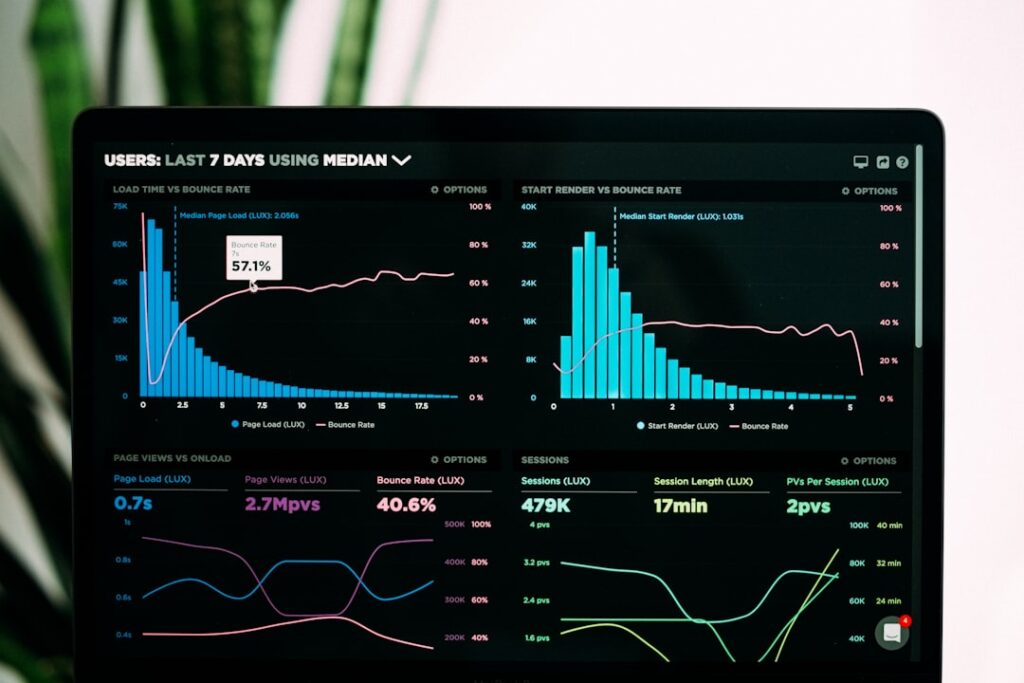
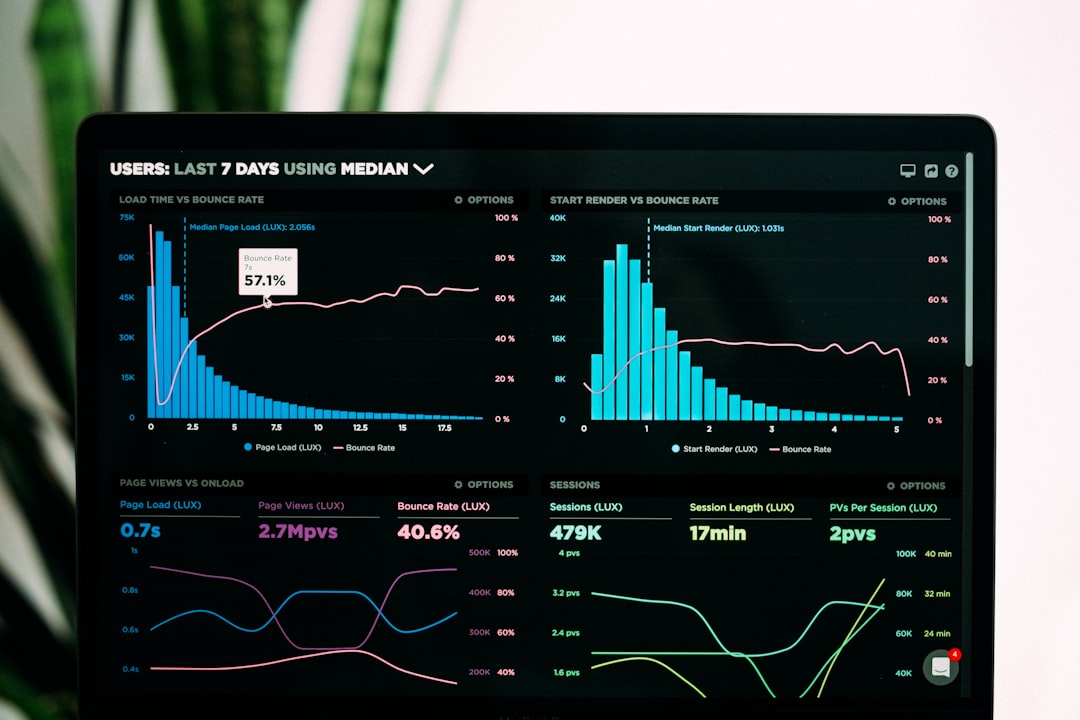
A few months back, one of our fintech clients — a Mumbai-based NBFC processing close to 40,000 UPI and card transactions a day — came to us with a problem that sounded simple on the surface: “Our fraud team is looking at data that’s 15 minutes old, and by the time they act, the money’s already gone.” That one sentence pretty much sums up why real-time transaction monitoring dashboards have become non-negotiable for anyone handling money at scale.

At Speqto Technologies, we’ve built and rebuilt these dashboards for payment processors, NBFCs, and a couple of digital lending platforms. Along the way, we’ve learned that the hard part isn’t the charts — it’s everything that happens before the chart gets drawn.

The Problem With Most “Real-Time” Dashboards

Most teams start by bolting a BI tool like Power BI or Tableau on top of their production database. It works fine in a demo. Then transaction volume crosses a few thousand a minute, the queries start timing out, and “real-time” quietly becomes “refreshes every 10 minutes.” We’ve seen this exact pattern at three different clients before they called us in.

The real issues we run into again and again:

  • Latency creep — dashboards pulling directly from OLTP databases instead of a stream, so performance degrades as volume grows.
  • Alert fatigue — static thresholds (e.g., “flag any transaction over ₹2 lakh”) that generate hundreds of false positives a day, so analysts start ignoring alerts entirely.
  • Siloed data — card transactions in one system, UPI in another, wallet transactions in a third, with no unified view for a fraud analyst to correlate patterns.

The Architecture That Actually Holds Up

For genuinely real-time monitoring, you need an event streaming pipeline, not a batch report. Our standard stack looks like this:

  • Kafka (or AWS Kinesis) as the ingestion layer, capturing transaction events the moment they’re authorized.
  • Apache Flink or ksqlDB for stream processing — this is where velocity checks, rule evaluation, and aggregations (like “5 transactions from the same device in 60 seconds”) happen before data even hits a dashboard.
  • ClickHouse or Druid as the analytical store, because it can handle sub-second queries over billions of rows — something a traditional Postgres or MySQL setup struggles with once you’re past a few million transactions a day.
  • Grafana or a custom React front-end for visualization, wired to the same store via WebSockets so numbers update as events arrive, not on a page refresh.

For the NBFC I mentioned earlier, moving from a direct-database dashboard to this pipeline brought their alert latency down from ~14 minutes to under 3 seconds. That’s the difference between stopping a fraudulent transaction and just documenting it afterward.

Design Choices That Matter More Than People Think

A technically sound pipeline can still produce a useless dashboard if the UI doesn’t match how analysts actually work. A few things we insist on now:

  • Role-based views. A compliance officer needs aggregate exposure and trend lines; a fraud analyst needs individual transaction drill-down with device ID, IP, and merchant history in one click. Don’t build one dashboard trying to serve both.
  • Adaptive thresholds over static rules. For a payments client, we replaced fixed-value alerts with rolling z-score based anomaly detection per merchant category. False positives dropped by roughly 60% in the first month, and the analyst team actually started trusting the alerts again.
  • Context in the alert, not just the number. An alert that says “Transaction ₹4,80,000 flagged” is useless. One that shows “Transaction ₹4,80,000 — 8x this customer’s 90-day average, new device, IP mismatch with last login” lets an analyst decide in seconds.
  • A visible audit trail. Every threshold change, every dismissed alert, every escalation needs to be logged with a timestamp and user ID — RBI and PCI DSS auditors will ask for exactly this during review cycles, and scrambling to reconstruct it later is a bad place to be.

Where Compliance Meets Design

For BFSI, the dashboard isn’t just an operational tool — it’s evidence. When we built the monitoring layer for a lending platform preparing for its RBI compliance audit, the auditors specifically asked for historical alert data, reasoning behind threshold values, and proof that alerts were reviewed within SLA. Building that traceability in from day one is far cheaper than retrofitting it under audit pressure.

Where to Start If You’re Building This In-House

If your current setup still relies on scheduled reports or a dashboard reading straight from production tables, that’s your first fix — get a streaming layer in place before worrying about visualization polish. Start with your three highest-risk transaction types, build velocity and anomaly rules around those, and expand from there. Trying to monitor everything on day one is how most in-house projects stall for six months.

We’ve built enough of these now to know the pattern of what breaks and what doesn’t. If your team is somewhere between “our fraud reports are always late” and “we need this audit-ready,” that’s usually the point where a second set of eyes on the architecture saves months of rework. That’s the conversation we have most often at Speqto — happy to have it with you too.

RECENT POSTS

Building Dashboards for Real-Time Transaction Monitoring: What Actually Works in BFSI

A few months back, one of our fintech clients — a Mumbai-based NBFC processing close to 40,000 UPI and card transactions a day — came to us with a problem that sounded simple on the surface: “Our fraud team is looking at data that’s 15 minutes old, and by the time they act, the money’s […]


Why a Dedicated PM Matters in Outsourced Software Projects (Especially for BFSI Teams)

A few months ago, a fintech client came to us at Speqto Technologies after a rough experience with a previous outsourcing vendor. The code wasn’t the problem — their developers were competent. The problem was that nobody owned the project end to end. Requirements got lost in Slack threads, QA found bugs three sprints too […]

What Startup India and MeitY Recognition Actually Means When You’re Evaluating a Tech Vendor

If you’re on the vendor onboarding side of a bank, NBFC, or fintech company, you’ve seen this drill a hundred times. A vendor sends over a slick deck, promises the moon on integration timelines, and then your compliance team spends three weeks trying to figure out if this company even legally exists in a form […]

Future-Proofing Software Architecture for Scale: Lessons from BFSI Projects We’ve Shipped

Every second BFSI client that walks into Speqto with a “modernization” project has the same underlying fear: what we build today will choke in 18 months when transaction volumes triple or a regulator asks for a new reporting format overnight. We’ve seen it happen — an NBFC client came to us after their loan origination […]

Building Loyalty and Rewards Engines for Digital Platforms: Lessons from the BFSI Trenches

Every second fintech app today has a “rewards” tab. Cashback on UPI payments, points on credit card spends, tier upgrades for maintaining a savings balance — the concept is everywhere. What’s rarely talked about is how badly most of these systems are architected underneath, and how quickly that shows up as customer churn, finance reconciliation […]

POPULAR CATEGORIES