


Loading...

Why a Dedicated PM Matters in Outsourced Software Projects (Especially for BFSI Teams)

Why a Dedicated PM Matters in Outsourced Software Projects (Especially for BFSI Teams)

A few months ago, a fintech client came to us at Speqto Technologies after a rough experience with a previous outsourcing vendor. The code wasn’t the problem — their developers were competent. The problem was that nobody owned the project end to end. Requirements got lost in Slack threads, QA found bugs three sprints too late, and the compliance team was the last to know when scope changed. By the time they reached out to us, they’d lost almost four months and a chunk of their runway.

This is a pattern we see often in BFSI and fintech outsourcing, and it almost always traces back to one missing role: a dedicated project manager.

Outsourcing Without a PM Is Not Actually Outsourcing

Many companies think they’re outsourcing a project when really they’re just outsourcing headcount. They get a pool of developers, a shared calendar invite, and a vague promise of “agile delivery.” Without someone whose job is to translate business requirements into technical tasks, track them daily, and flag risks before they become fires, you’re not managing a project — you’re hoping one happens.

In BFSI specifically, this gap is dangerous. A missed requirement in an e-commerce app might mean a delayed feature. A missed requirement in a loan origination system or a KYC workflow can mean a compliance violation, a failed audit, or a security gap that regulators will not overlook.

What a Dedicated PM Actually Does Differently

People sometimes assume a PM is just a scheduler who runs standups. In practice, on the projects we run at Speqto, the PM is doing much more:

  • Translating business language into engineering tasks. When a payments client tells us “we need to support partial refunds with reconciliation,” the PM breaks that into backend logic changes, ledger updates, API contracts, and QA test cases — before a single line of code is written.
  • Owning the risk register. On a core banking integration we delivered last year, our PM flagged three weeks in advance that a third-party API rate limit would bottleneck the settlement batch job. We redesigned the queuing logic before it became a production incident, not after.
  • Being the single point of accountability. When something slips, the client doesn’t have to chase five different developers to find out why. One person knows the full picture and can explain it in five minutes.
  • Managing scope creep honestly. Fintech requirements change constantly — new RBI or SEBI guidance, a new fraud pattern, a partner integration that shifts. A good PM doesn’t just say yes to every change; they show the client the tradeoff in time, cost, and risk before committing.

The BFSI-Specific Case

Regulated industries add a layer most PMs elsewhere don’t deal with. A dedicated PM on a BFSI project needs to:

  • Track audit trails for every requirement change so there’s a documented history if a regulator asks “why was this validation rule modified in March?”
  • Coordinate between engineering and compliance teams who often speak different languages entirely — one thinks in sprints, the other thinks in circulars and policy documents.
  • Plan releases around freeze windows (quarter-end, audit periods, RBI reporting cycles) that a generic outsourcing team might not even know exist.

We worked with a lending platform client where the absence of this kind of coordination in their previous engagement caused a NACH mandate integration to go live during their internal audit freeze — creating weeks of unnecessary friction with their compliance team. It wasn’t a technical failure. It was a planning failure that a dedicated PM would have caught in week one.

What to Ask Before You Sign an Outsourcing Contract

If you’re evaluating a vendor for a BFSI or fintech project, don’t just ask about their developers’ tech stack. Ask:

  • Will one named person be my dedicated PM for the full duration, or does this change project to project?
  • How does the PM handle scope changes — is there a formal change request process, or does it happen informally over chat?
  • Can the PM speak to compliance and audit requirements, or only to engineering timelines?
  • What does weekly reporting actually look like — a real risk-and-status update, or a generic “on track” email?

If the answers are vague, that’s your warning sign.

Our Approach at Speqto

Every BFSI and fintech engagement we take on at Speqto Technologies gets a dedicated PM from day one — someone who sits in on requirement discussions, understands the regulatory context, and stays with the project through go-live and beyond. It costs more upfront than a leaner “just give us developers” model. But for the lending platform client, the payments company, and the KYC vendor we’ve worked with, that cost has consistently been smaller than the cost of a missed deadline, a failed audit, or a production incident that could have been caught in sprint planning.

Outsourcing software development isn’t really about renting developer time. It’s about transferring accountability for outcomes — and that transfer only works when someone is actually holding it.

RECENT POSTS

Why a Dedicated PM Matters in Outsourced Software Projects (Especially for BFSI Teams)

A few months ago, a fintech client came to us at Speqto Technologies after a rough experience with a previous outsourcing vendor. The code wasn’t the problem — their developers were competent. The problem was that nobody owned the project end to end. Requirements got lost in Slack threads, QA found bugs three sprints too […]
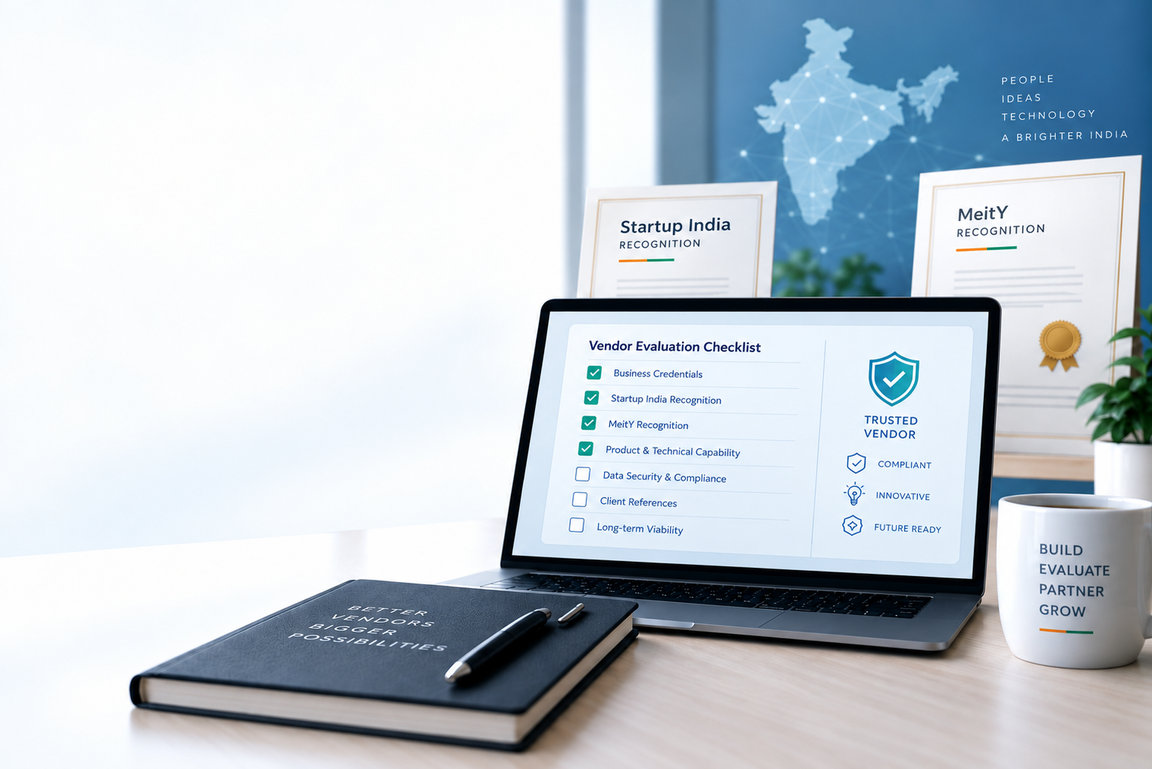

What Startup India and MeitY Recognition Actually Means When You’re Evaluating a Tech Vendor

If you’re on the vendor onboarding side of a bank, NBFC, or fintech company, you’ve seen this drill a hundred times. A vendor sends over a slick deck, promises the moon on integration timelines, and then your compliance team spends three weeks trying to figure out if this company even legally exists in a form […]

Future-Proofing Software Architecture for Scale: Lessons from BFSI Projects We’ve Shipped

Every second BFSI client that walks into Speqto with a “modernization” project has the same underlying fear: what we build today will choke in 18 months when transaction volumes triple or a regulator asks for a new reporting format overnight. We’ve seen it happen — an NBFC client came to us after their loan origination […]

Building Loyalty and Rewards Engines for Digital Platforms: Lessons from the BFSI Trenches

Every second fintech app today has a “rewards” tab. Cashback on UPI payments, points on credit card spends, tier upgrades for maintaining a savings balance — the concept is everywhere. What’s rarely talked about is how badly most of these systems are architected underneath, and how quickly that shows up as customer churn, finance reconciliation […]

Why Vietnam and Offshore Dev Hubs Are Gaining Enterprise Trust in BFSI and Fintech

Three years ago, if you mentioned Vietnam to a CTO at a mid-size bank, you’d probably get a polite nod and a question about India instead. Today, that same conversation looks different. We’ve had BFSI clients at Speqto specifically ask us to scope teams out of Ho Chi Minh City and Da Nang, not because […]

POPULAR CATEGORIES