
How to Build a Secure CI/CD Pipeline on AWS
At Speqto, ensuring software quality is a top priority. That’s why our QA team relies on the best bug tracking tools to catch and fix issues quickly, making sure every release is reliable and efficient.
Introduction
In modern software delivery, speed and security go hand in hand. A secure CI/CD (Continuous Integration/Continuous Deployment) pipeline ensures that every change you ship is tested, verified, and deployed automatically without compromising your cloud infrastructure or leaking sensitive data. For DevOps engineers, building secure pipelines on AWS with Jenkins and Docker is a proven way to automate releases while keeping credentials, environments, and workloads safe.
Why Secure CI/CD Matters
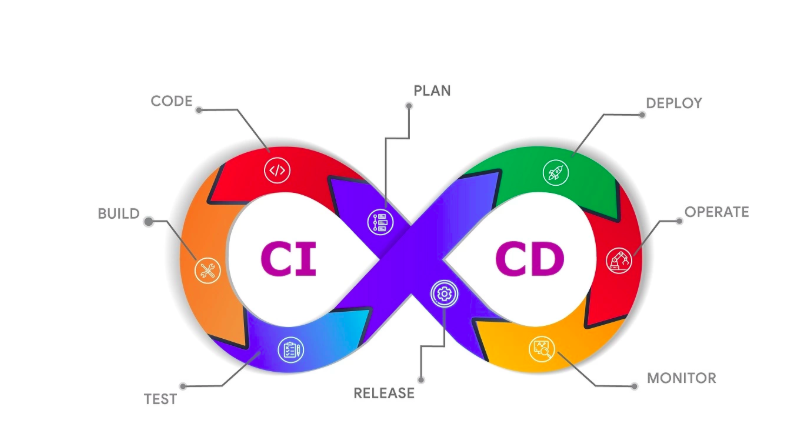
Continuous Integration (CI) is a practice in which code updates are continuously integrated into a shared repository. Automated builds and testing validate these integrations for each commit so that any potential problems are identified and resolved as soon as they happen.
Continuous Deployment (CD) goes one step beyond automation by putting all code changes that succeed the automated test stage directly into production. This closed feedback loop reduces lag time and provides users with the most recent updates as soon as they become available.The Importance of CI/CD in Contemporary Development
Installing CI/CD pipelines reaps the following fundamental advantages:
Speedier Time-to-Market: Automation eliminates manual processes, allowing fast feature and bug fix delivery.
Improved Code Quality: Early error catching through continuous testing greatly minimizes the chances of bugs in production.
Seamless Collaboration: Developers collaborate within a uniform environment, minimizing inconsistencies between development and production.
Cost Efficiency: Reducing manual intervention allows organizations to minimize operational expenditures and decrease error-caused downtimes.
These advantages, applied to blockchain, crypto, and web development, help overcome inherent security and deployment challenges, protect secrets and credentials, and enable quicker, more stable releases.
2. Bugzilla – Detailed & Reliable
For projects that are complex or scale over a longer time period, Bugzilla is the tool we count on. It provides in-depth reporting of bugs and automates notifications, so every team member stays updated without delay. We can track the history of each bug’s journey from discovery to fix, which gives us accountability and confidence that no issue is overlooked. Bugzilla also offers powerful search and categorization capabilities, making it easier for our team to manage even large volumes of defects. This level of precision and transparency means our clients always know that their projects are receiving the thorough attention they deserve.
Core Components of a Secure CI/CD Pipeline.
Below is a simple, practical structure for building a secure pipeline on AWS:
1. Source Control with Branch Protection
- Use GitHub, Jenkins, or AWS CodeCommit.
- Enforce signed commits, pull request approvals, and branch protection.
- Automate checks for merge conflicts and policy compliance.
- Implement mechanisms for auditing changes and releases
2. Jenkins as the Automation Server
- Host Jenkins on a hardened EC2 instance or use AWS CodePipeline.
- Define your entire pipeline as code with Jenkinsfile.
- Use agent nodes to isolate builds from the Jenkins master.
3. Build & Test with Docker
- Package applications as Docker images.
- Use ephemeral containers for builds with no leftover files or temp scripts.
- Run unit, integration, and security tests automatically.
- Scan images for vulnerabilities with tools like Clair or Trivy.
4. Secrets Management
- Never store secrets in code or Jenkinsfile.
- Use AWS Secrets Manager or AWS Parameter Store to handle:
- API keys
- Database credentials
- Private keys or certificates
- Configure Jenkins credentials plugin to inject secrets at runtime.
5. Artifact Storage
- Store build artifacts in Amazon S3 with versioning and encryption.
- Use signed URLs for controlled downloads if needed.
6. Automated Deployments
- Deploy Docker containers to EKS.
- Implement Blue/Green or Canary deployments for safe rollbacks.
- Use Elastic Load Balancers to manage traffic between old and new versions.
7. Monitoring and Auditing
- Enable AWS CloudTrail for pipeline activity logs.
- Use AWS CloudWatch to monitor pipeline performance, failed builds, or unusual behavior.
- Set up alarms for unexpected changes or suspicious deployments.
Best Practices for Securing Pipelines
- Principle of Least Privilege: Give build agents only the minimum IAM permissions needed.
- Isolated Build Agents: Run builds in separate Docker containers to prevent cross-contamination.
- Rollback Plan: Always have tested rollbacks ready. Blue/green or canary deployments make this easy.
- Regularly Update Your Pipeline: Keep Jenkins, plugins, Docker images, and base OS patched against vulnerabilities.
- Use Strong Automation Tools:
- Static Code Analysis: SonarQube to detect vulnerabilities before runtime.
- Dynamic Testing Tools: Use dynamic analysis to mimic real-world usage and detect security loopholes.
6. Measure and Optimize Pipeline Performance
- Monitor your CI/CD pipelines continuously to identify bottlenecks, failed tests, and deployment issues.
- Use observability data to optimize pipeline performance and remove unnecessary delays.
Conclusion
A secure CI/CD pipeline on AWS, powered by Jenkins, Docker, and robust secrets management, gives your team the confidence to deploy updates frequently without sacrificing security or compliance. By embedding security controls directly into the development process and automating repetitive tasks, organizations reduce risk while accelerating innovation.
At Speqto, we help teams design, implement, and manage secure DevOps pipelines that scale with your business so you can focus on delivering great software, faster and safer.