


Loading...

Common Mistakes Companies Make When Outsourcing Software Development (And How BFSI Firms Can Avoid Them)

At Speqto Technologies, we’ve spent the better part of a decade building software for banks, NBFCs, insurance companies, and fintech startups. Over that time, we’ve seen the same outsourcing mistakes repeat themselves across companies that otherwise have sharp business instincts. Financial services leaders know how to evaluate risk in lending books or investment portfolios, but somehow that same rigor doesn’t always carry over when they’re picking a development partner.

Here’s what we keep seeing go wrong, and what we tell our clients before they sign anything.

1. Choosing a vendor based on the lowest quote alone

We once picked up a project for a payments startup that had already burned four months and a chunk of their seed funding on a vendor who quoted 40% less than everyone else. The code they inherited had no proper transaction logging, hardcoded API keys, and zero test coverage. We had to rebuild the reconciliation module from scratch before RBI compliance reviews could even begin.

Cheap outsourcing in BFSI is rarely cheap. If a vendor’s quote is dramatically lower than the market rate, ask why. Usually it’s because they’re cutting corners on security testing, documentation, or simply don’t have people who’ve built PCI-DSS or RBI-compliant systems before.

2. Treating compliance as an afterthought

This is the mistake unique to BFSI and fintech. A generic outsourcing vendor might be excellent at building e-commerce apps but have never dealt with things like audit trails for financial transactions, data residency requirements, or KYC workflow validations.

We worked with an NBFC whose previous development partner built a loan origination system that worked fine functionally but stored PII in plaintext logs. It passed every functional test but failed the compliance audit outright, costing them a three-month delay right before a product launch tied to a festive-season lending push. Compliance needs to be part of the architecture conversation on day one, not a checklist at the end.

3. No clear ownership of requirements

Outsourcing works when someone on the client side owns the product vision and is available to make decisions quickly. We’ve seen projects stall for weeks because a business analyst on the client team needed sign-off from three different stakeholders for something as small as a field label change in a KYC form.

The fix isn’t complicated: appoint one product owner internally, give them real decision-making authority, and make sure your outsourcing partner has a single point of contact too. When we started a project with a mid-sized insurance broker, we insisted on this structure before writing a single line of code — it cut their average decision turnaround from 8 days to under 24 hours.

4. Assuming “offshore” means “hands-off”

Some companies outsource and then disappear, expecting a finished product to show up on a deadline. This almost never ends well, especially for anything touching money movement or customer data. We recommend weekly demos, not monthly ones, and insist on giving clients direct access to our project management boards — not sanitized status reports.

One fintech client initially wanted only a monthly steering call. Three months in, they realized the KYC flow we’d built didn’t match a regulatory change that had come through in the interim, simply because nobody had flagged it during the long gap between check-ins. We moved to weekly syncs after that, and it’s been the default for every BFSI project since.

5. Ignoring the vendor’s domain fluency

A developer who’s never worked on a ledger system doesn’t know that a “simple” rounding change in interest calculation can ripple through statements, tax filings, and reconciliation reports. Ask potential partners pointed questions: Have you built double-entry accounting logic before? Do you understand settlement cycles? Can you show us a system you’ve built that handles NACH or UPI mandates?

If the answers are vague, that’s your signal.

6. Underestimating the handover and knowledge transfer

We’ve inherited more than one project where the previous vendor’s “documentation” was a single outdated Word file. When that vendor’s contract ended, so did any real understanding of how the system worked. For anything in BFSI, insist on living documentation, code walkthroughs recorded on video, and access to architecture decision records — not just a final zip file of source code.

Bringing it together

None of these mistakes are exotic. They’re avoidable with a bit of discipline: vet for domain experience, bake compliance into the process early, keep communication frequent, and never let price alone drive the decision. Outsourcing software development for a bank, NBFC, or fintech isn’t the same as outsourcing a marketing website, and treating it that way is usually where things go sideways.

If you’re evaluating a development partner for a BFSI or fintech project and want a second opinion on scope, architecture, or compliance readiness, we’re happy to have that conversation — no sales pitch attached.

RECENT POSTS

Common Mistakes Companies Make When Outsourcing Software Development (And How BFSI Firms Can Avoid Them)

At Speqto Technologies, we’ve spent the better part of a decade building software for banks, NBFCs, insurance companies, and fintech startups. Over that time, we’ve seen the same outsourcing mistakes repeat themselves across companies that otherwise have sharp business instincts. Financial services leaders know how to evaluate risk in lending books or investment portfolios, but […]

Why API-First Architecture Matters for BFSI Digital Products

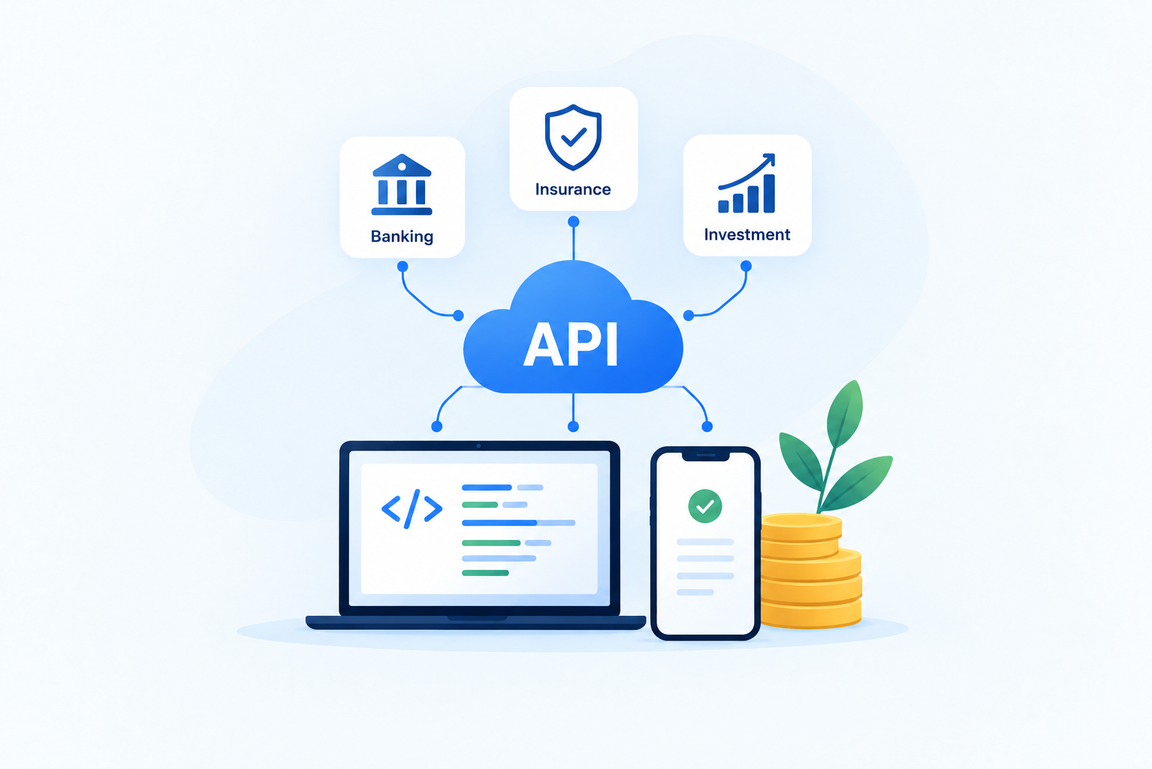
A few months back, we sat in a review call with an NBFC client whose loan origination system had grown into a genuine mess. Every time they wanted to launch a new lending product or plug in a fresh credit bureau, their engineering team had to rebuild integration logic from scratch. Six weeks of “simple […]

How Custom Workflow Automation Cuts Operational Risk in BFSI — Lessons From the Field

Ask any operations head at a bank, NBFC, or fintech where their biggest risk actually lives, and rarely will the answer be “cybersecurity” or “market risk.” More often, it’s something far less glamorous — a reconciliation sheet that someone forgot to update, an approval that sat in an inbox for four days, or a compliance […]

How Fintech Startups Can Build Secure, Scalable Platforms Fast

Every fintech founder we’ve worked with at Speqto Technologies has faced the same dilemma at some point: ship fast to grab market share, or slow down and build things properly. The good news is that this isn’t actually an either-or choice. We’ve helped payment platforms, NBFCs, and digital lending startups launch in months, not years, […]

The Case for Cloud Migration in Financial Services: Why Waiting Is the Riskier Bet

A few months ago, we sat across the table with the CTO of a mid-sized NBFC who said something that stuck with us: “We’re not scared of the cloud. We’re scared of what happens if we get it wrong.” That fear is real, and honestly, it’s justified. Financial services companies deal with regulatory scrutiny, legacy […]

POPULAR TAG

POPULAR CATEGORIES