
Loading...

Building Compliant KYC and Onboarding Systems for BFSI Clients: What Actually Works

Har dusre BFSI client ke saath jab hum discovery call karte hain, ek hi sawaal repeat hota hai: “Hamara onboarding drop-off rate 40% se upar kyun hai, jabki hum RBI/SEBI compliant hain?” Ye sawaal apne aap mein problem bata deta hai — compliance aur user experience ko log alag-alag silos mein treat karte hain, jabki inhe ek hi system ke andar solve karna padta hai.

Speqto Technologies mein humne last few years mein NBFCs, payment aggregators, aur ek co-operative bank ke liye KYC/onboarding stacks banaye hain. Is post mein wahi practical lessons share kar raha hoon — na ki koi generic “digital transformation” gyaan.

Compliance pehle likhni padti hai, code baad mein

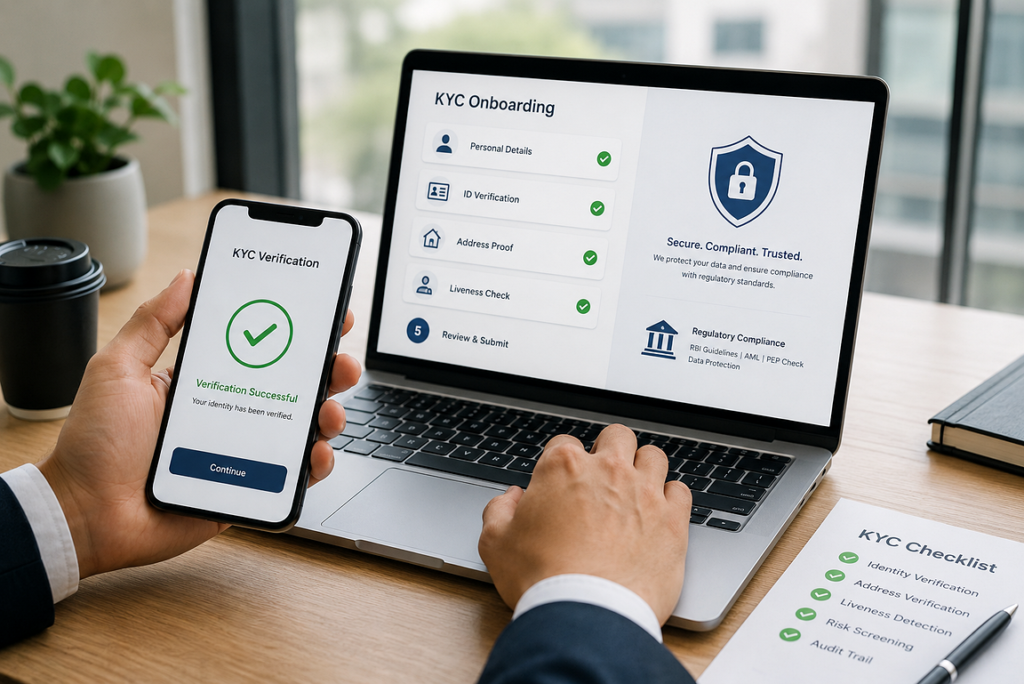
Sabse badi galti jo teams karti hain — pehle UI/UX design karte hain, phir legal/compliance team se review karwate hain. Ye process reverse karna padta hai. Ek NBFC client ke saath hamara pehla sprint sirf ek document tha: RBI ke Master Direction on KYC ko row-by-row break karke, har clause ko ek “system requirement” mein convert kiya. Video KYC ka liveness check, CKYC registry se real-time pull, PEP (Politically Exposed Person) screening — sab kuch pehle requirement sheet mein, phir wireframe mein.

Isse fayda ye hota hai ki jab RBI ka koi circular update aata hai (jaise 2023 mein Video KYC ke liye geo-tagging mandatory hui), aapke paas already ek mapping document hota hai jisse pata chalta hai exactly kaunsa module touch karna hai.

Modular architecture — har regulator alag hai

Ek payment aggregator client ke liye humne jo architecture banaya, usme KYC engine ko teen alag layers mein todha:

  • Data collection layer — Aadhaar XML/OTP, PAN verification (NSDL/UTIITSL API), bank statement parsing
  • Risk & rules layer — CKYC dedup check, sanction list screening (OFAC, UN, RBI caution list), risk scoring based on transaction pattern
  • Decisioning layer — auto-approve, manual review queue, ya reject with reason codes

Ye separation isliye zaroori hai kyunki BFSI clients aksar multi-product hote hain — wahi client jo lending karta hai, wealth management bhi start kar deta hai, aur SEBI ke rules NBFC rules se alag hain. Agar aapka KYC engine tightly coupled hai ek product ke saath, toh naya product launch karne mein 6 months lag jaate hain sirf compliance rewiring mein.

Drop-off actually kahan hota hai

Jis co-operative bank ke saath humne kaam kiya, unka data dekh ke pata chala ki 60% drop-off ek hi step pe ho raha tha — liveness check ke time, jab app camera permission maang raha tha aur users confuse ho jaate the ki ye “fraud” hai ya genuine bank ka request. Solution technical nahi tha, communication ka tha:

  • Permission request se pehle ek 5-second explainer screen dala — “RBI ke rules ke hisaab se hum aapki live photo verify karte hain”
  • Progress indicator add kiya (Step 3 of 5) taaki user ko pata rahe kitna baaki hai
  • Failed liveness attempts pe retry ka clear CTA, generic error message nahi

Result: drop-off 60% se 22% pe aaya, bina kisi compliance rule ko relax kiye. Ye baat samajhna zaroori hai — UX improvement aur compliance dono simultaneously ho sakte hain, agar aap sirf checkbox-ticking mindset se bahar nikle.

Audit trail — jo aap dikhate nahi, wo exist hi nahi karta

RBI ya SEBI audit ke time sabse zyada tension isi baat pe hoti hai ki “hamara system compliant hai” ye claim karna easy hai, prove karna mushkil. Ek fintech client ke liye humne har KYC decision ke saath ek immutable log banaya — kisne approve kiya (system ya human), kaunsa rule trigger hua, kaunsa data point check hua, timestamp sab kuch. Ye log WORM (write once, read many) storage mein rakha jata hai.

Jab unka audit hua, unki compliance team ne bataya ki 3 din ka kaam 4 ghante mein khatam ho gaya — kyunki har query ka answer database se seedha nikal raha tha, Excel sheets dhundhne ki zaroorat nahi padi.

Third-party API dependency ko underestimate mat karo

Aadhaar API, PAN verification, CKYC — ye sab external dependencies hain jo kabhi bhi down ho sakti hain ya rate-limit lagate hain. Humne ek client ke liye fallback mechanism banaya jisme agar primary CKYC provider timeout kare, system automatically secondary registry check karta hai, aur agar dono fail ho jayein, request ko “pending — manual review” mein daal deta hai instead of hard-failing the entire onboarding. Chhoti si baat lagti hai, lekin high-traffic days (jaise loan mela ya tax season) mein ye difference banata hai between 2% aur 15% failure rate.

Aakhri baat

Compliant KYC system banane ka matlab ye nahi ki aap sirf regulator ko khush karein — asli test ye hai ki normal user, jo tech-savvy nahi hai, wo bhi 3-4 minute mein onboard ho jaye bina confuse hue. BFSI mein trust hi product hai, aur onboarding wo pehla moment hai jahan trust build ya toot jaata hai. Agar aap apne KYC stack ko rethink kar rahe hain, toh Speqto Technologies ki team ke saath baat kar sakte hain — humne ye problem multiple regulators aur multiple product types ke saath solve ki hai, aur real numbers dikha sakte hain, sirf promises nahi.

RECENT POSTS

Building Compliant KYC and Onboarding Systems for BFSI Clients: What Actually Works

Har dusre BFSI client ke saath jab hum discovery call karte hain, ek hi sawaal repeat hota hai: “Hamara onboarding drop-off rate 40% se upar kyun hai, jabki hum RBI/SEBI compliant hain?” Ye sawaal apne aap mein problem bata deta hai — compliance aur user experience ko log alag-alag silos mein treat karte hain, jabki […]

Reducing Customer Churn Through Better Digital Onboarding Flows

Most BFSI and fintech companies lose customers before they’ve even used the product. Not because of pricing, not because of a competitor’s better feature — but because the onboarding flow made someone give up on step 4 of 9. We’ve seen this pattern across almost every lending, insurance, and neobanking client we’ve worked with at […]

How E-Learning and EdTech Platforms Can Scale Using Microservices

Every edtech founder we’ve worked with at Speqto Technologies has faced the same 2 AM problem: the platform crashes right when 50,000 students log in for a live mock test, or the video server chokes during a scheduled webinar, or the payment gateway times out during a fee-payment rush before an admission deadline. If your […]

Why Regular Security Audits Matter for Banking-Adjacent Platforms

At Speqto Technologies, we’ve spent the last few years building and securing platforms that sit right next to banking rails — payment gateways, lending apps, wealth management dashboards, neobank front-ends. And if there’s one pattern we keep seeing, it’s this: companies invest heavily in their core product but treat security audits as a compliance checkbox […]

Choosing the Right Tech Stack for a Series A Fintech Startup

Once a fintech startup closes its Series A, the conversation in the boardroom shifts. It’s no longer just about proving the idea works — it’s about proving it can scale, survive an audit, and handle ten times the transaction volume without falling over. At Speqto Technologies, we’ve sat in on enough of these conversations with […]

POPULAR TAG

POPULAR CATEGORIES