
Loading...

Warning: Undefined array key "post_id" in /home/u795416191/domains/speqto.com/public_html/wp-content/themes/specto-fresh/single.php on line 22

Artificial Intelligence in Cyber Security

Pawan Kaushik

01 November, 2021

Artificial intelligence or most commonly called, as AI is one of the latest innovations in the field of data science and analytics. Artificial Intelligence companies design system to function as self-sufficient and operation system, which works on the principle of analyzing data and pattern recognition. AI-based cyber security systems by Speqto Technologies are designed to be what our clients need to protect their interests in the modern digital world.

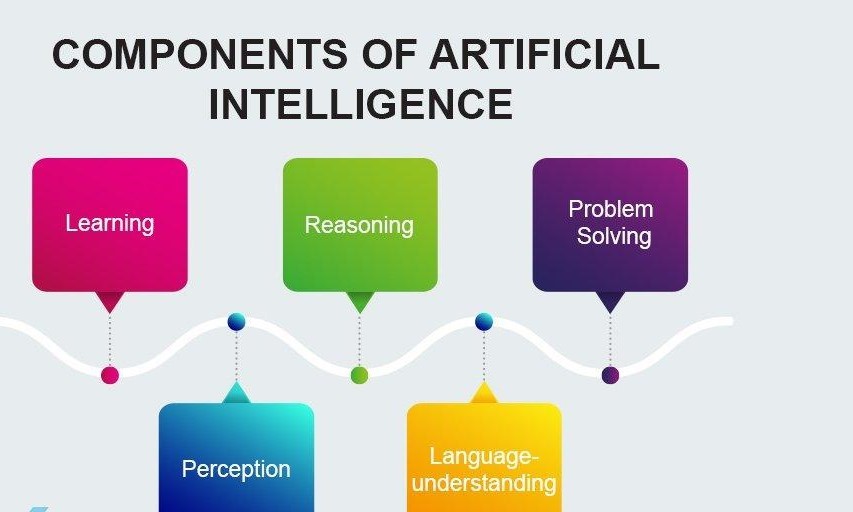
AI system has 5 major components :-

1. Learning:- Learning is one of the primary components and capabilities of an AI system. In this component of the AI system, the system learns to function autonomously using large data sets called training data to learn and update the database accordingly. Using the learnings from the training data, the AI system can now function and deliver of the design when real time data is introduced and the system is deployed.

2. Reasoning :- The next component of the AI system is the justification and reasoning which is generated through learning from the training data. Using the reasoning protocols created with the help of the training data, the AI system can execute its core functionality and the intended design purpose.

3. Problem Solving :- Using the information, rules, protocols and instructions from the above two components, an AI system can be used to solve any kind of complex problems with minimal error using the problem solving component of the AI functionality.

4. Perception :- Once the AI system is able to solve the problem statement and generate the desired results, we expect the system to justify the results of the process and produce recommendations. This is possible only due to the perception component of the AI system. This component is very similar to the functionality of the 5 sensory organs of the human body.

5. Language Understanding :- The advanced computing capabilities of an AI system allows it not only process various kinds of languages but also respond to those languages in the way a human being would. Generally, even if a system is able to respond to the human language, it does not have the capacity to comprehend it. The system simply translates the human language into a binary code which the system processes and based on the parameters defined in the code, completes a task. However, an AI system is quite different. Research has shown advanced comprehension capabilities of the AI system, which could prove highly beneficial in the near future.

Blockchain and Crypto Currency attacks :-

The 21st century is filled with technology and is run by data. Data is the currency if the modern world. We need data to run any kind of process, business or even take any kind of decision. Large multinational corporations, transportation industries, government bodies and even non-profit organizations use it. With the wide spread of access to technology and internet, a staggering 2.5 quintillion bytes of data is generated every single day. The biggest threat in this modern technological world is cyber related threats. Big companies spend billions of dollars a year to generate, process, store and utilize this data for their benefit. Server farms and data centres with unbelievable storage capacities are used to store and secure this data. On a very regular basis, people try to hack or access these servers and networks to gain unlawful access to the data. The primary motivation of these people is to gain access to the data and misuse it for personal gain or worse just to destroy the data in an attempt to disrupt the operations of the company or the organization.

Types of Attacks :-

1. Ransomware Attacks.

2. IoT Attacks.

3. Cloud Attacks.

4. Phishing Attacks .

5. Blockchain and Crypto Currency attacks .

6. Outdated Equipment .

The current industry standards for cyber security is highly dependent on the nature of the attack and the network infrastructure used. The most popular cyber security measures are designed to handle a one type of security threats. This leave a lot of room for other kinds of attacks to gain control of the system using the vulnerabilities. The current industry standards for cyber security is represented by the ISO 27000 series. ISO stands for the International Organization for Standardization. ISO 27000 series is an information security management system (ISMS) standard .

Some of the key benefits of using this standard are mentioned below:-

1. Increased Data And Network security.

2. Reduced frequency of Audits .

3. Reduced financial penalties caused due to data breaches.

4. Increased brand value and recognition in the market due to ISO certification.

5. New business opportunities created by the increased safety and security standards.

6. Comply with business, legal, contractual and regulatory compliances.

Challenges in Implementing ISO 27000 :-

1. Procurement of resources in challenging .

2. Implementation of ISO 27000 causes disruption in the business until the system is live .

3. Implementation is daunting, labour intensive and expensive for the business.

4.Budgetary restrictions in Implementing ISMS .

5.Acquiring human resources and work force to complete and deliver the project on time with minimal disruption in the business .

Speqto Technologies excel in leveraging all these benefits to obtain the perfect security solution for our clients.

RECENT POSTS

Socket.IO Security Unveiled: Mastering Authentication & Authorization for Robust Real-time Applications

Socket.IO Security Unveiled: Mastering Authentication & Authorization for Robust Real-time Applications Divya Pal 4 February, 2026 In the dynamic landscape of modern web development, real-time applications have become indispensable, powering everything from chat platforms to collaborative editing tools. At the heart of many of these interactive experiences lies Socket.IO, a powerful library enabling low-latency, bidirectional […]
Prisma ORM in Production: Architecting for Elite Performance and Seamless Scalability

Prisma ORM in Production: Architecting for Elite Performance and Seamless Scalability Shubham Anand 16 February 2026 In the rapidly evolving landscape of web development, database interaction stands as a critical pillar. For many modern applications, Prisma ORM has emerged as a powerful, type-safe, and intuitive tool for interacting with databases. However, transitioning from development to […]

Streamlining DevOps: The Essential Guide to Gatling Integration in Your CI/CD Pipeline

Streamlining DevOps: The Essential Guide to Gatling Integration in Your CI/CD Pipeline Megha Srivastava 04 February 2026 In the dynamic landscape of modern software development, the quest for efficiency and reliability is paramount. DevOps practices have emerged as the cornerstone for achieving these goals, fostering seamless collaboration and rapid delivery. Yet, even the most robust […]

Fortifying Your Enterprise: Playwright Best Practices for Unbreakable Test Resilience

Fortifying Your Enterprise: Playwright Best Practices for Unbreakable Test Resilience Megha Srivastava 04 February 2026 In the dynamic landscape of enterprise software development, the quest for robust, reliable, and efficient testing is paramount. As systems grow in complexity, the challenge of maintaining an ironclad testing suite that withstands constant evolution becomes a critical differentiator. This […]

The TanStack Query Revolution: Elevating Your Data Fetching Paradigm from Basic to Brilliant

The TanStack Query Revolution: Elevating Your Data Fetching Paradigm from Basic to Brilliant GAURAV GARG 04 February 2026 In the dynamic landscape of web development, managing server state and data fetching often presents a labyrinth of challenges. From stale data and intricate caching mechanisms to race conditions and manual error handling, developers frequently grapple with […]

POPULAR TAG

POPULAR CATEGORIES